
Electric mobility devices such as e-bikes, e-scooters and e-skateboards etc are increasingly involved in fire related deaths around the world.
Many of these items contain lithium-ion batteries (LIBs).
They can be found in everything from toys to electric vehicles (EV’s) and even large-scale, grid-connected battery energy storage systems (BESS).
The primary fire safety challenge from these cells is thermal runaway (TR).
Along with intense fire, batteries undergoing TR also give off a variety of toxic products, including carbon monoxide and hydrogen fluoride (HF).
So, what happens if a battery fire occurs in your home?
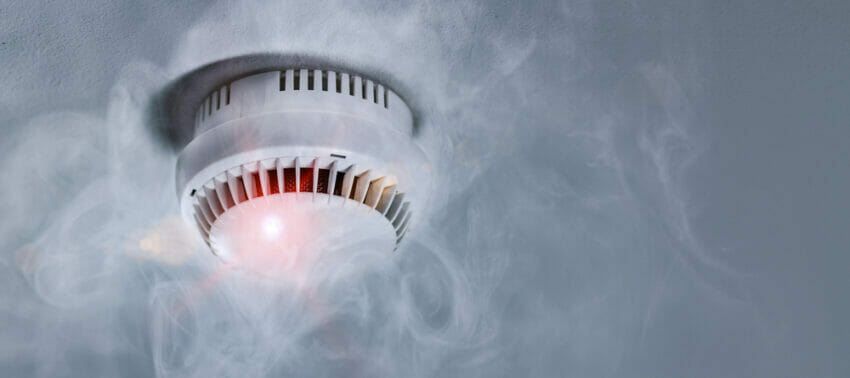
A modern Australian home is fitted with at least one hardwired smoke detector, but is that enough to escape a battery fire?
An example of worse case scenario-
- A battery fire starts on the ground floor stairwell of a two storey dwelling at 3.00 am on a rainy morning.
- The smoke detector is alerting you that there is smoke, a fire & to evacuate, but the stair exit is blocked by fire & toxic smoke is rapidly filling the upper level of the dwelling.
What about the emergency evacuation plan?
- Residential homes are not required to have emergency evacuation plan.
- Think quick!!
An adult may think to smash a window & try to escape from the upper level, but what about a young person under 16 years old?
- If they smash a window, are they going to get into trouble from the parents/guardian?
- If they are going to smash a window, what do you break the pane with? (would a glass hammer in each upper room be relevant)
- What if it the windows are double glazed? (two panes to get through)
- What if the window panes are large & toughened glass?
- f you smash a window, how do you deal with the jagged glass?
- If you smash a window, how do you get out onto a second storey roof & is it safe to do so?
- Do the occupants know how to tie bed sheets together to escape the upper level?
- Does each room have an emergency torch?
- What about pets?
- And many many other questions & considerations!
At a place of employment, a workplace emergency plan is a written set of instructions that outlines what workers and others at the workplace should do in an emergency.
It may be prudent then, to have a residential emergency plan known & agreed to by the whole family.
If this residential emergency plan followed the workplace guidelines it may look something like the following examples -
EMERGENCY PROCEDURES
- emergency procedures, including:
− an effective response to an emergency
− evacuation procedures
− notifying emergency service organisations
− medical treatment and assistance - testing of the emergency procedures—including
the frequency of testing - information, training and instruction to relevant
occupants in relation to implementing the emergency
procedures
EVACUATIONS
- Have all emergencies requiring an evacuation at the residence been identified?
- Has an evacuation procedure been prepared?
- Does the procedure:
− address all types of situations and hazards which may arise at the home
− cover everyone who may be present at the home
− allow for quick and safe evacuation when needed
− clearly identify routes to safe assembly areas consider special assistance for hearing, vision or mobility-impaired people?
− include a process for accounting for persons?
− include a process for dealing with pets
References
https://www.safeworkaustralia.gov.au/system/files/documents/1702/emergency_plans_fact_sheet.pdf
Definitions, references & some technical content from an article by: George Hare, BRANZ Ltd, New Zealand.
Verzoni, A. (2022, Jun 15). Big Apple E-Ban? Retrieved from NFPA.org: https://www.nfpa.org/News-andResearch/Publications-and-media/NFPA-Journal/2022/Summer-2022/News-and-Analysis/Dispatches/E-Bike-Ban